
Another AI video tool is not what shipped.
On September 30, 2026, Runway announced Runway Ads as “an autonomous engine for performance marketing.” Connect an ad account and a brand kit. The system generates video and image creative, publishes approved variants directly to Meta, Google, and TikTok, reads performance back from those same platforms, and produces the next round of creative based on what earned spend (Runway, September 30, 2026).
That sentence is the product. The press photo will still look like generative video. The operator ticket is a closed creative loop with a brand check, a human approval default, budget guardrails, and a pilot fence that keeps most teams off the live surface this week.
If your brief says “Spin more GenAI ads with Runway,” you will buy the wrong thing. You will staff for asset volume and miss publish, measurement, localization of on-screen text and product screenshots, and the control surface that decides what can auto-go live.
What Runway actually shipped
Keep the claim exact.
Runway Ads builds on Runway Agent. It automates key parts of ad generation and buying while the team keeps ownership and approval. Inputs are brand guidelines, past ads, and product imagery. Outputs are video and image variants tagged by hook, audience, format, and call to action on the product page framing. Approved variants publish to Meta, Google, and TikTok. Performance comes back from those platforms. The next round regenerates around what earned spend (Runway, September 30, 2026; Runway product page, accessed October 1, 2026).
Localization is not voiceover-only. Runway says the system localizes on-screen text and product screenshots under rules the team sets, including brand voice and terms that should never be translated. Variants resize across aspect ratios and channel specs automatically (Runway, September 30, 2026).
ADWEEK’s same-day report (Trishla Ostwal) places the launch inside Runway’s web app, names Lovable as the launch partner, and restates the recreate-existing-ads, spin-variations, localize, publish human-approved versions, and pull-performance sequence (ADWEEK, September 30, 2026). Superpower Daily repeats Lovable among selected pilot partners and notes wider access planned in the coming weeks (Superpower Daily, September 30, 2026).
Access is not GA. Runway is piloting with select enterprise partners. An early access form routes to Enterprise Sales. The product FAQ frames that pilot “ahead of a wider rollout.” Superpower Daily’s same-day read says wider access is planned in the coming weeks. Treat live access as invite-only until your sales thread says otherwise (Runway, September 30, 2026; Runway product page; Superpower Daily, September 30, 2026).
Co-CEO Anastasis Germanidis put the origin story on the record: “We built Runway Ads because we needed it ourselves.” He framed the value as bringing ad generation, publishing, and measurement into one system rather than three tools stitched together (Runway, September 30, 2026).
The loop vs the generator
Generators stop at the file. Loops close on spend.
Most “AI creative” pitches sell draft volume: more hooks, more cutdowns, more aspect ratios dumped into a drive for a human to upload later. Runway Ads sells the other half of the job. Publish approved variants. Read which combinations earn spend. Regenerate around those attributes. The product page spells the sequence as generate, approve, publish, learn (Runway product page, accessed October 1, 2026).
That is why the marketing consequence is operational, not aesthetic. Creative ops still owns brand. Performance marketing still owns audience and budget. The new object in the middle is a system that can move from a winning attribute set into the next batch without a designer touching every version, while still forcing a human gate unless you deliberately loosen it.
Jamie Umpherson, Runway’s chief creative officer, told ADWEEK the demand side of that problem: “The number of surfaces that [brands] need to be across and the audience that you need to get in front of is growing exponentially” (ADWEEK, September 30, 2026). Surfaces growing is not a license to remove approval. It is the reason a loop with guardrails is the product pitch.
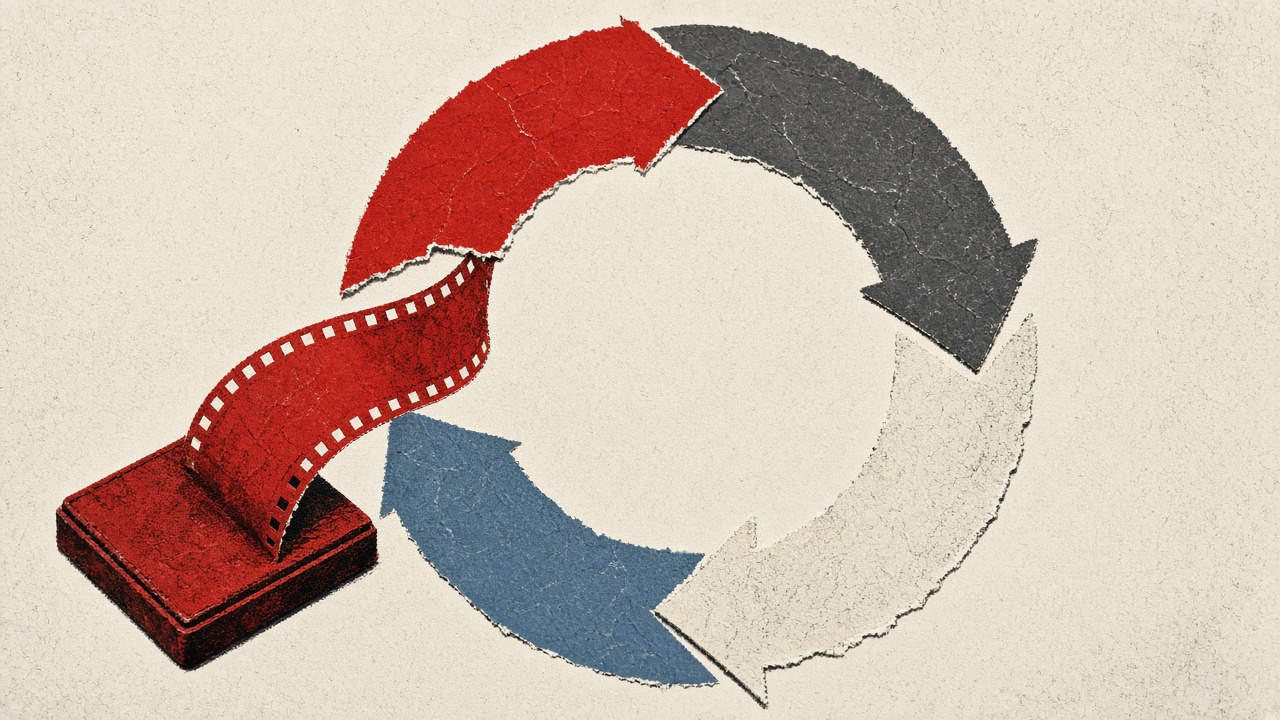
Approval, brand check, and budget are the control surface
Human approval is on by default. Every variant runs through an automated brand check before it reaches the approval queue. Teams can move to automated publishing by campaign or by variant type as they build confidence (Runway, September 30, 2026; Runway product page).
Superpower Daily draws the line operators need in writing: a brand check alone does not authorize an ad to go live. Human approval remains the default path; automated publishing is an explicit switch for specific campaigns or variant types (Superpower Daily, September 30, 2026).
Budget limits are part of the same surface. Runway says the system adheres to limits you set: maximum daily change, minimum net-new audience share, and retargeting caps, shifting between variants inside those fences (Runway, September 30, 2026).
Read that as media ops language, not model-card language. Maximum daily change is a volatility brake. Minimum net-new audience share is an anti-retargeting-trap rule. Retargeting caps keep the loop from farming the same warm pool until frequency kills the program. If your pilot brief only covers prompt style and brand kit upload, you have not briefed the product.
Superpower Daily also places Ads relative to its predecessor: Agent 2.0 could use ad metrics supplied by users to propose new tests. Runway Ads adds direct publishing and retrieves platform results itself (Superpower Daily, September 30, 2026). That is the delta that matters for integration owners. User-supplied CSVs are a different trust and latency model from platform-native readback after publish.
Self-reported metrics, with the skepticism left in
Runway’s internal numbers are striking. They are also Runway’s numbers.
Since July, Runway says weekly ad volume moved from 77 to roughly 900, return on ad spend doubled, conversion rose roughly 34%, click-through rate held steady, and cost per subscriber fell 41%, while spending also increased. The launch post does not publish absolute spend, subscriber counts, campaign mix, or methodology (Runway, September 30, 2026).
The product page adds a company claim of more than $100 million in additional annual recurring revenue “directly attributable to our performance marketing.” RuntimeWire (Ryan Merket, September 30) flags what the page does not explain: measurement period, and how that figure connects to the Ads product specifically. Merket also notes the absence of product pricing and customer-level results at launch (Runway product page; RuntimeWire, September 30, 2026).
RuntimeWire’s independent critique is the right posture for buyers. The figures describe Runway’s own program. They do not establish what a customer should expect. The category already has vendors selling a similar loop. Merket names Omneky’s platform claims around generating creative, connecting ad accounts, launching across major platforms, and using performance to inform optimization. He also notes that Meta and Google are building their own AI creative and campaign automation, which matters because Runway depends on those platforms for distribution and signals while overlapping their automation roadmaps (RuntimeWire, September 30, 2026).
ADWEEK’s shorter same-day piece restates the $100 million ARR framing as Runway’s internal use helping drive that figure, without adding independent measurement (ADWEEK, September 30, 2026). Use ADWEEK for product shape and the Umpherson quote. Use RuntimeWire for the skepticism frame. Use Runway primary posts for the exact feature list.
Do not paste Runway’s ROAS chart into a client deck as proof of your future CPA. Paste it as evidence that Runway dogfoods a volume-and-iterate loop, then demand your own pilot scoreboard.
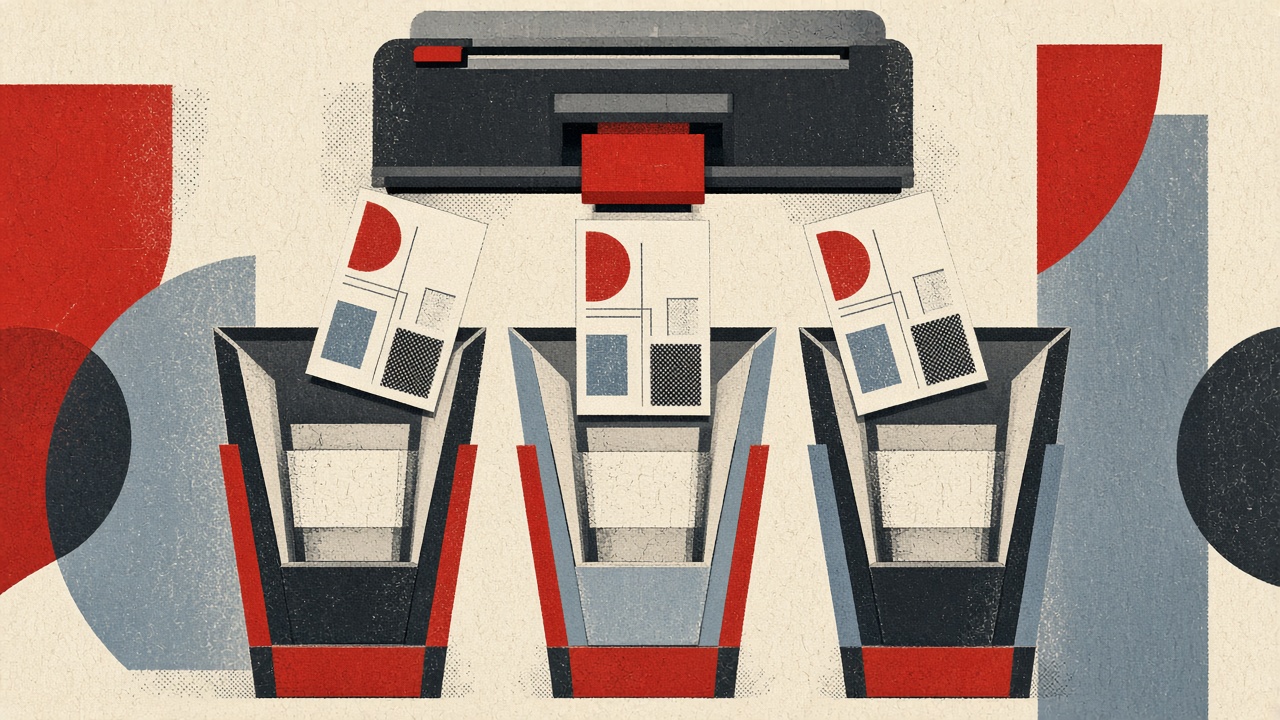
Who it is for, and who is still outside the fence
Runway’s own use cases are concrete: DTC always-on Meta prospecting that needs dozens of hook-and-format variants; ecommerce teams generating from product feeds across thousands of SKUs; mobile apps localizing a winner across languages with on-screen UI adapted, not just dubbed; agencies standardizing a test-and-regenerate loop across a roster with per-client brand-check settings (Runway, September 30, 2026).
That list is aspirational for anyone not in the pilot. Select enterprise partners only. Lovable is named as a launch partner in ADWEEK and Superpower Daily. Wider rollout language is “coming weeks,” not a dated GA (ADWEEK, September 30, 2026; Superpower Daily, September 30, 2026; Runway product page).
Good fit to chase this week: performance teams already drowning in variant demand, with clear brand kits, past winners, and product imagery ready; orgs that can staff an approval queue and define budget rules before any auto-publish talk; teams willing to evaluate creative quality and campaign economics against Omneky-class alternatives and platform-native AI creative.
Poor fit this week: teams that only need a prettier generator dump into shared drives; orgs without Meta, Google, or TikTok as live publish targets; anyone who cannot get past the enterprise pilot form; brands that will not accept self-reported vendor metrics as anything more than a demo claim.
What operators will get wrong
Briefing it as GenAI creative. You will optimize for prettier files and miss the publish and measurement OS.
Treating brand check as go-live. It is a pre-queue filter. Approval is still the default authorization path (Superpower Daily, September 30, 2026).
Skipping budget rules in the pilot SOW. Without maximum daily change, net-new audience share, and retargeting caps, the loop can thrash spend while you argue about hooks.
Assuming localization is voiceover. On-screen text and product screenshots are in the claim. Brief legal and brand on those surfaces, or your first localized batch fails the wrong review.
Copying Runway’s 77-to-900 chart into a forecast. RuntimeWire’s point stands: internal, self-reported, no customer methodology (RuntimeWire, September 30, 2026).
Ignoring platform-native competition. If Meta or Google AI creative already covers your loop for a given channel, Runway has to win on creative quality, localization depth, cross-platform unity, or ops speed. Merket’s overlap warning is the diligence item, not a dunk (RuntimeWire, September 30, 2026).
Confusing Agent-era user-supplied metrics with Ads’ direct publish and retrieve. Integration owners need the new trust boundary in writing (Superpower Daily, September 30, 2026).
What to do this week
Map your current creative-to-publish path across Meta, Google, and TikTok. Name every handoff tool. That diagram is what Runway Ads claims to collapse.
Decide whether you are a pilot candidate. If yes, submit early access with a real paid-program brief: weekly variant demand, brand-kit readiness, approval owners, and which campaign types could ever see auto-publish.
Write the control-surface SOW before any demo: brand-check expectations, human approval default, which campaign or variant types could automate later, and the three budget rules (maximum daily change, minimum net-new audience share, retargeting caps).
Build a skepticism scoreboard. Track your own volume, ROAS or equivalent, conversion, CTR, and efficiency metrics for 30 days of status quo. Refuse to judge Ads on Runway’s July-to-now chart alone.
Put Omneky-class alternatives and Meta/Google AI creative on the same eval grid. Score creative quality, localization of on-screen text and screenshots, publish coverage, performance readback, approval UX, and budget guardrails.
Brief creative and media together, not separately. The loop fails if design owns generators and media owns platforms with no shared approval and budget policy.
Germanidis said they needed generation, publishing, and measurement in one system. That is the operator sentence. The generator is the bait. The loop is the product. Stay outside the pilot fence until your control surface is written, or you will buy volume and inherit spend thrash.