On October 2, Higgsfield shipped a rebuilt version of AI Influencer, its studio for making synthetic characters for short-form video. You pick a look from menus, optionally add your own face, and get a portrait and a full-body shot for about six cents. Then you press a button and the character performs a move lifted from another video. Semafor, covering the update on October 7, described these characters as “flooding social media feeds.”
Most of the attention went to how strange the characters look: long necks, geometric haircuts, faces that are almost human. That is deliberate, and it is not the part a marketer should worry about.
The line that matters is on the product page, in the FAQ about trending presets. A trending preset is “a motion taken from a video that’s performing well right now, curated by Higgsfield.” You tap it, add your influencer, and “your character performs the same move with the same camera.”
So the character is yours. The choreography, the camera move and the timing belong to a clip that somebody else made, and that every other Higgsfield user can tap the same afternoon. For a creator chasing views, that is the feature. For a brand paying to boost a post, it is the risk.
A note on evidence. This is a primary-source review. I have not used AI Influencer or Genjutsu for this piece. Everything below comes from Higgsfield’s October 3 launch post, its AI Influencer and Genjutsu product pages, its changelog, its Terms of Use (last updated July 26), two help center articles, and its September 29 run-rate post, all read on October 13. I cross-checked against Semafor, Fashion AI School, ShopperCove and Riffkit (a competing tool, so read its comparisons with that in mind), and checked the platform rules directly in TikTok’s community guidelines, TikTok Shop’s seller policy on unoriginal content, and the FTC’s 2023 Endorsement Guides.
What it is
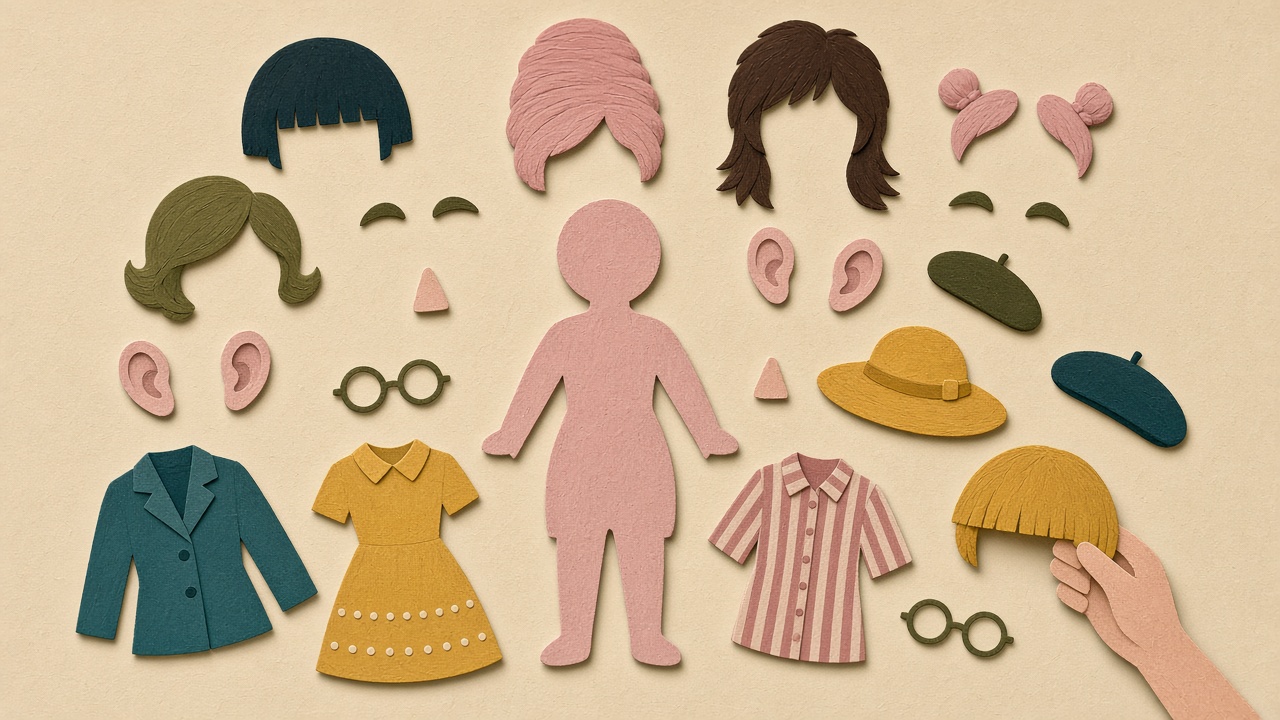
AI Influencer is two tools on one screen. The first is a character builder: 19 menu settings covering identity, body, face, hair and style, with no prompt writing required. The first setting, character type, now runs on three levels. Average builds an everyday-looking person, which Higgsfield suggests for “lifestyle posts, UGC-style ads and host formats.” Bold adds features noticeable enough to register in a feed. Extreme produces “a full outlier” for comedy and memes. An optional upload keeps the facial features from a photo of you, or of someone who has given you permission.
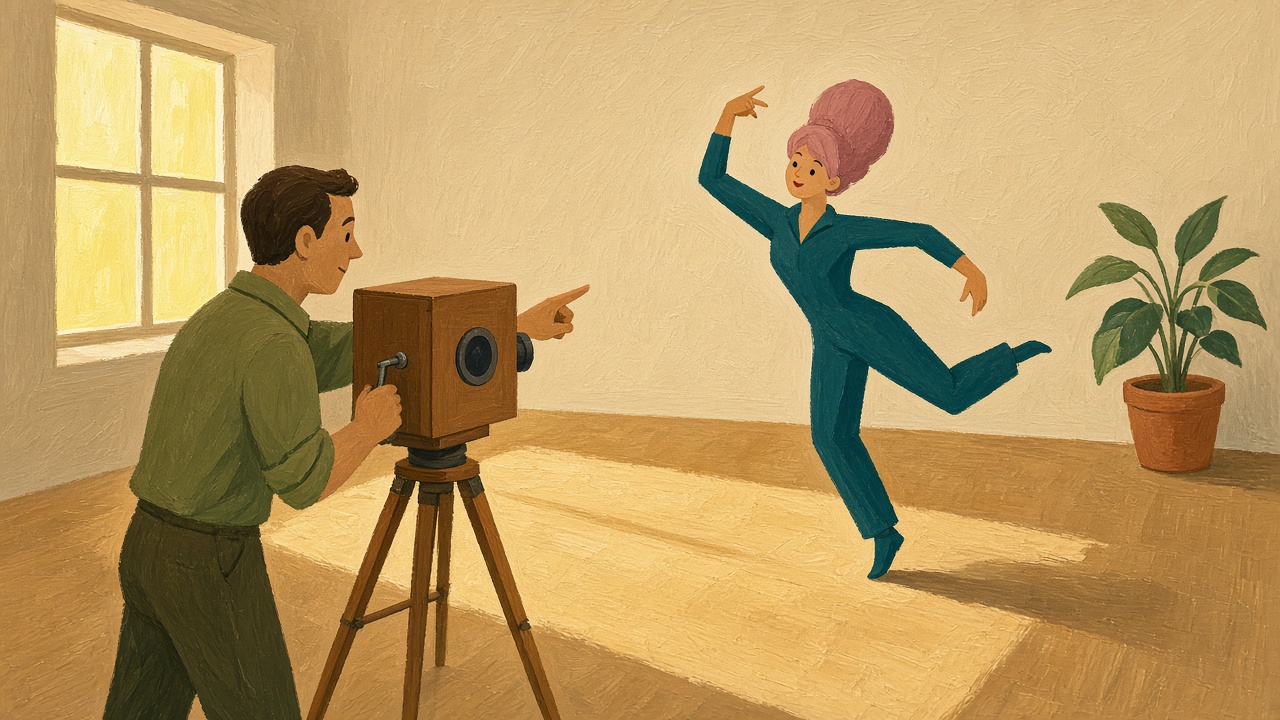
The second tool is Genjutsu, Higgsfield’s video engine, which launched at the start of September. It has two modes. Motion transfer pulls the movement out of a reference video and hands it to your character, “frame for frame.” Objects swap replaces one element in a clip, such as an outfit, a product or a location, and leaves the rest of the footage alone. You can pick a trending preset from Higgsfield’s library or upload your own clip.
The builder also runs inside ChatGPT through Higgsfield’s extension, and characters carry over into Cinema Studio for longer work.
What changed in October
Before the update, character type meant species: human, mammal, reptile, fish, hybrid or alien. Now it grades how far the character departs from ordinary. The advanced tabs collapsed into one panel, the upload-your-face option is new, each generation returns two shots instead of one, and Genjutsu moved into the same studio instead of sitting behind a separate button.
Two releases the following week point the same way. On October 6, Higgsfield added Ad Multiplier to Ads Studio: “Recreate any video ad with your own characters, products, and locations from one reference.” You upload an ad, and the tool keeps the original’s structure while swapping in your cast, product, script, hook or call to action. On October 8 it launched Katana, a Claude skill with community presets, where anyone can share a motion preset and “shared presets go live right away and can be taken down after reports.”
Put together, the October product line is built around one idea: find a video that worked, keep its bones, and replace everything on top.
What works
Consistency is cheap. The hardest part of running a character account has always been keeping one face stable across months of posts. Here the character’s settings are saved with it, the Recreate button reruns them, and the same persona carries into Genjutsu clips and Cinema Studio scenes. For a brand that wants a recurring mascot, that is real progress.
The price is shown up front. A character costs 1.12 credits, and the cost of each video run shows on the Generate button before you confirm.
Objects swap is the most useful brand feature. Taking footage you already shot and swapping the product, the colorway or the location is a clean way to make localized or seasonal versions without a reshoot. Fashion AI School’s October 8 guide makes the same point for fashion and beauty brands, while warning to check logos, prints and seams frame by frame.
The commercial terms are clear. Higgsfield’s help center says it does not claim ownership of inputs or outputs and does not restrict commercial use, including ads and client work, on any plan. Your rights in exported outputs survive cancellation, and you can sublicense them to clients.
The weird look helps with honesty. A Higgsfield spokesperson told Semafor that “a flawless face is the fastest way for a character to read as generic AI.” A character nobody could mistake for a real person is easier to run honestly than one built to pass.
Where it breaks
The trending preset is a shared template. Higgsfield curates its presets from videos “performing well right now,” which is exactly why many accounts will be running the same one at the same time. TikTok Shop’s UK seller guidance on unoriginal content lists “recreating a video that directly mirrors the actions of another creator’s content” and “using AI-generated content that results in duplicate or highly similar videos to other creators (e.g. using the same AI tool, prompt, avatar, or template).” It adds that creators are responsible for originality “even if the content is generated independently.” That policy covers Shop content, but it shows how one major platform treats a cloned trend with a new face on it.
Your output may not be unique either. The Terms of Use say outputs “may not be unique across users,” that another user may receive something “similar or possibly identical,” and that Higgsfield does not guarantee “the uniqueness, originality, or exclusivity of any Output.” Your spokesperson could have a twin on someone else’s account.
The rights to the motion are on you. Under the terms, reference videos are inputs, and by making content available you represent that you have the rights to it. Higgsfield’s pages describe trending presets as curated from videos performing well, but the pages I read do not say whether those source videos were licensed or whether their creators agreed. Indemnification against third-party IP claims is available on the Enterprise plan only. Ad Multiplier’s “recreate any video ad” invites the same question with higher stakes, because the obvious reference is a competitor’s winning ad.
Average is the setting that needs a label. The transparency argument works for Bold and Extreme. Higgsfield recommends Average for UGC-style ads, which is the setting most likely to read as a real person. TikTok’s community guidelines say you must label content that uses AI “to show realistic-looking people or scenes,” using a caption, sticker, watermark or TikTok’s own label, and unlabeled content may be removed or restricted. The FTC’s 2023 Endorsement Guides define an endorser as anyone who “could be or appear to be an individual, group, or institution,” and the Commission made clear that this reaches virtual influencers as well as fake reviewers. A paid post from an AI character needs the same sponsorship disclosure a human creator would give.
Provenance marks may not survive. Higgsfield’s terms say it “may” embed watermarks or Content Credentials signals, and “does not warrant that any marking will be applied to, or persist in, every Output.” The terms also make you responsible for disclosing AI output where the law requires it. Do not count on a platform to detect and label it for you.
Your face trains the model. The terms allow Higgsfield to use your content, inputs and outputs to train its models, except under an Enterprise agreement. You can stop future use by deleting the content or your account, but the help center says content already in trained models cannot be removed from them. That matters if the face you upload belongs to a founder, an employee or a paid talent.
The docs disagree with each other. The October 3 post lists five gender options and three character types. The product page FAQ still lists seven gender options and “nine character types (human, mammal, reptile and more).” The product page says reference clips can run 3 to 30 seconds, while the launch post and Genjutsu page say 4 to 30. One page allows up to 40 images per video, the other 30. None of it is serious alone, but brief your team from what the tool shows, not from the marketing copy.
Who it is for right now
It fits creators running a character-led or faceless account, and brands that want a recurring mascot they control, built on footage they shot themselves. Objects swap is a strong fit for teams that already have good product video and need versions for markets, seasons or colorways.
It fits badly as a shortcut to trend content for brands selling on TikTok Shop, or for anyone planning to drop a realistic Average character into a viral clip and run it as an unlabeled ad. Agencies should look hard at Enterprise if they plan to upload client faces or client footage: it is the only tier where content stays out of training and where IP indemnification is offered.
What it costs
AI Influencer runs on Higgsfield plan credits at 20 credits per dollar. A character costs 1.12 credits, about six cents, and video costs depend on resolution and length, shown before each run. The launch post lists Starter at $15 a month, Plus at $49 a month or $39 billed annually, and Ultra at $129 a month or $99 billed annually, and says plans vary by region. Every user gets five free generations to try it, and the help center says paid plans include watermark-free downloads. Enterprise pricing is not public.
Higgsfield says it crossed a $1 billion annualized revenue run rate in September (the latest four weeks of revenue times 13), with nearly 1 million paying subscribers, and that contracted business revenue grew tenfold since June, driven in part by direct-to-consumer brands making AI ads. Those are company figures, but they suggest your competitors are already in here.
What to do this week
The character is not the risk. The borrowed motion is. Set the rules before anyone on the team taps a trending preset.
- Shoot your own reference clips. A phone, a person on your team, 10 to 30 seconds of a move you own. Use those for motion transfer and keep the trending library for internal tests.
- Write a one-line rule for Ad Multiplier: only your own past ads as references, never a competitor’s.
- Pick the character type on purpose. If you choose Average for UGC-style ads, plan the AI label and the sponsorship disclosure in the video itself, not only in the caption or bio.
- Before you upload any real face, get written consent that covers AI generation and model training, or move that work to Enterprise.
- If you sell on TikTok Shop, send TikTok Shop’s unoriginal content policy to whoever makes your videos. AI-generated clones of other creators’ videos are named in it.
- Check the Character Parameters panel and save the settings with every approved character, so the look can be audited and reproduced.
- Run one test: a character post built on your own reference clip against your normal creator content, same budget, same product, two weeks.
Higgsfield has made a recurring brand character cheap and easy to keep consistent. That is useful. But a made-up face doing everyone’s dance is still doing everyone’s dance. Put the motion under the same sign-off as the script, and the tool gets a lot safer to use.