For most of a decade, Meta’s pitch to brand marketers leaned on one idea: stop buying time. No dayparts, no upfronts, no sponsorship packages. Hand the auction a budget and an audience, and the system will find the right people at the right moment better than any media planner with a calendar.
On October 15, at its Brand Building Summit, Meta started selling time. Ads Super Burst “lets you book a window of 3 to 24 hours and reach your audience at TV-like scale inside that window, and with category exclusivity available, no other advertiser in your category can book the same window.” Meta’s own examples are the stretch around a product launch, an awards night and the first weekend of a new sports season.
Most of the coverage filed this as Meta chasing TV budgets, and it is that. eMarketer framed it as courting brand money that traditionally went to television. But the change that matters to an operator is smaller and closer to home. Your launch date just became a piece of inventory. Inventory gets sold to whoever books it first, and on Facebook and Instagram the buyer can now be your competitor, reserving the hours you were counting on and keeping you from reserving them too.
What Meta is actually selling
Strip away the summit language and Super Burst is a reservation buy compressed into hours. You plan it in Reach Planner, pick your dates, get an estimate of reach and price, and Meta guarantees delivery against that estimate. Mediaweek and PPC Land both reported the mechanics the same way on October 15 and 16.
Simon Whitcombe, Meta’s VP for its global business group in North America, filled in the parts the announcement left out when he spoke to AdExchanger the same day. Reach is committed within 5% of the forecast. Frequency is fixed at one, so every impression goes to a different person. CPMs are set by the date, not the auction: “A major cultural moment prices differently from an ordinary Tuesday,” he said. And the windows are first come, first served. A retailer eyeing a big shopping holiday would need to book well in advance, he told AdExchanger, because the best dates could go quickly.
Meta’s test numbers are big on reach and modest on everything else. Advertisers testing the product over recent months reached a median of 34 million people per flight, which Meta says worked out to 14% of the US adult online audience in a single day. The same flights showed a median 2.9 point lift in ad recall and a 0.6 point lift in intent. Those are percentage points, not percent, and as Relevant Audience pointed out on October 16, Meta published no baselines, no count of tests and no spread around those medians.
What’s still missing matters more than what’s there. Meta’s post lists no markets, no prices, no minimum spend and no end date for the rollout. Even the status is fuzzy. Meta says Super Burst “is moving to general availability this month, rolling out in phases,” while AdExchanger described it as generally available. In practice that probably means some accounts see it in Reach Planner before others do.
Agencies aren’t waiting for the fine print. Kathryn Quart, VP of planning at Spark Foundry, is quoted in Meta’s post describing a 12-hour activation that “performed exactly as expected,” and says the agency has already recommended using Super Burst again during the holiday season, “with an even more concentrated messaging window.” If one Publicis agency is already steering clients toward holiday windows, assume its rivals are too.
Read the exclusivity sentence twice
The headline feature is category exclusivity, and it deserves a slow read. Meta’s words are that “no other advertiser in your category can book the same window.” That is a rule about booking. It says a rival can’t reserve a Super Burst in the hours you hold. It does not say your rival’s regular auction ads vanish from the feed for those hours.
PPC Land flagged the same gap. Meta hasn’t said how it defines a category, how fine those categories are, what exclusivity costs, or whether it stops competitors’ auction-bought ads from reaching the same people during the window. According to AdExchanger, US brands can reserve exclusivity “on select tentpole dates,” which suggests it isn’t on offer for every booking either.
Those are not small details. “We are the only brand in our category running a guaranteed burst tonight” and “no competitor in our category will appear on Facebook or Instagram tonight” are two very different products, priced very differently in any sane world. Television sponsorship buyers know this negotiation by heart. Most social teams have never had to have it. Before anyone signs, get the definition in writing: which advertisers count as your category, which surfaces it covers, and whether it touches auction delivery at all.
Your launch calendar is now a media asset
Here’s the part that changes how a marketing team works, whether or not you ever buy a Super Burst.
In most companies the dates that matter are owned by people who don’t plan media. Product marketing sets the launch. Comms sets the embargo. Ecommerce sets the sale weekend with retail partners. The media team usually hears about the date once it’s locked and starts building flights around it. That sequence was fine when buying Meta mostly meant the auction, because the auction doesn’t care when you show up. It just charges you what the moment costs.
A first come, first served reservation punishes that sequence. If the date reaches your media planner after a competitor has already booked the same window with exclusivity, your options shrink to the auction (on a day when a rival is blanketing the platform at frequency one) or a different date. You can lose the hours without ever hearing that they were for sale.
eMarketer made the case that exclusivity could let a brand buy out a category window without committing to a big TV spot months in advance. That’s true on paper. But a queue for the best dates brings the months back. Part of what the TV upfront always sold was the right to commit first. Super Burst rebuilds that dynamic inside a feed, without the annual ritual that at least warned everyone the window was open.
So the first job isn’t buying. It’s getting the dates to the people who buy, early enough to matter.
One brand a day at the top of the feed
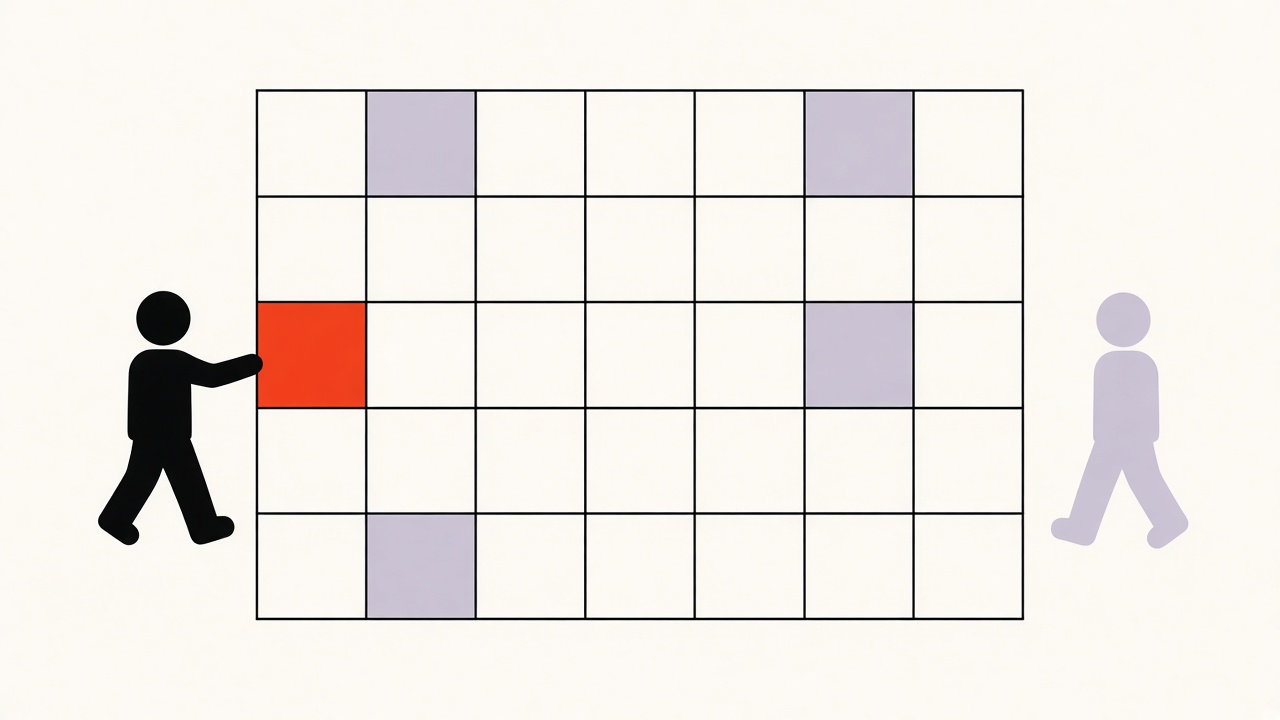
The second product points the same way. First Impression Ads gives one brand per day the first ad position people see when they open Facebook. Meta calls it an early test in the United States, and says advertisers “have asked us for the first ad position in Feed for years.” Search Engine Land described it as an exclusive option for advertisers who want maximum visibility, and AdExchanger noted that Snap has sold the same idea since around 2020.
None of this is new to digital video. YouTube has sold reserved inventory for years. What’s new is Meta, the company that taught a generation of marketers to stop caring where an ad ran, now selling a guaranteed position and a guaranteed hour as separate products. When a platform starts selling scarcity, read it as a signal about where its premium pricing is heading.
The metric that arrived with the product
Meta announced a measurement idea alongside the ad units, and the two sit oddly together.
Aggregated View Time, now in alpha, measures “the total time someone spends with your brand across a week, instead of each impression on its own.” Meta’s research, it says, found that “five seconds of attention added up over a week drove 32% more offline sales than one continuous five second view.” Meta adds that independent industry research found the same pattern, but neither study is named on the page, a gap both PPC Land and Relevant Audience flagged. PPC Land also noted that a Meta planning director had cited a 21% figure for a similar claim on October 13.
Now put the two products side by side. Super Burst sells one impression per person inside a few hours. Aggregated View Time argues that small exposures spread across a week beat a single hit. Whitcombe’s answer to AdExchanger was that the burst day is “a peak on top of an always-on campaign, not a substitute for it.” That’s a coherent theory of brand building. It also means Meta is selling you the peak, selling you the plateau, and proposing the yardstick that grades both, on its own inventory.
A guaranteed reach product will always look like a success in the seller’s reporting. You bought tens of millions of people and you got them. That tells you nothing about whether anyone bought anything. A metric that adds up two-second glimpses across a week will, by design, give more credit to short-form inventory than a long-view threshold does. It might be the more accurate model of how people absorb Reels. It might just be more generous. Until the research is published, it’s a vendor grading its own homework, and your measurement plan should be built so you don’t need to take the grade on trust.

Who should care right now
If your year hinges on a few days (a product launch, a sports sponsorship, a film opening, a category’s biggest retail weekend) this is your problem this quarter, whether you buy or not. If you’re a performance account running mostly automated sales campaigns judged on last-click return, a three-hour reach burst will look expensive next to your auction numbers, and that comparison mostly misses the point. The question for you is narrower: would you be comfortable watching your biggest competitor own the platform during the hours that set your quarter?
Either way, nothing here should be bought on the strength of a median from Meta’s own test flights. Points of lift without baselines aren’t a business case.
What to do this week
- Pull the dates that matter for the next twelve months. Launches, sale weekends, season openers and the cultural moments your audience actually watches. Rank them by how much of the quarter rides on each one.
- Put the date owners and the media team in one review. Product marketing, comms, ecommerce and media should see the same calendar before dates are public. Make “has media seen this date?” a step in launch sign-off.
- Send your Meta rep five questions in writing. Is Super Burst bookable in our account and market yet? How is our category defined? Is exclusivity offered on our dates? Does exclusivity block competitors’ auction ads or only competing bursts? What CPM applies to each date we care about?
- Get a quote for your top two dates even if you won’t sign. Put the date-priced CPM next to your auction cost for the same day last year. The gap is a rough price for certainty and exclusivity, and a rough idea of what a rival would pay to take your day.
- Decide what you’d do if a rival books first. Move the date, shift weight to another channel, or plan to win the auction around the burst. Pick now, not the week of the launch.
- Build the second touch before the first. If you book a burst, keep always-on campaigns running around it with creative that clearly picks up the same story. Reach at frequency one needs something to land on the next day.
- Settle measurement before you spend. Ask whether a burst can leave some regions out so you have a holdout. If it can’t, compare the same hours on the same weekday before and after, and read branded search, site traffic and sales in your own systems. Treat recall lift and Aggregated View Time as Meta’s view, not yours.
Meta spent years convincing marketers that timing was the algorithm’s job. It’s now selling timing back to them, by the hour, with a lock on the door. The brands that come out ahead won’t necessarily be the ones that spend the most on bursts. They’ll be the ones whose calendars reach the media plan before a competitor’s does.