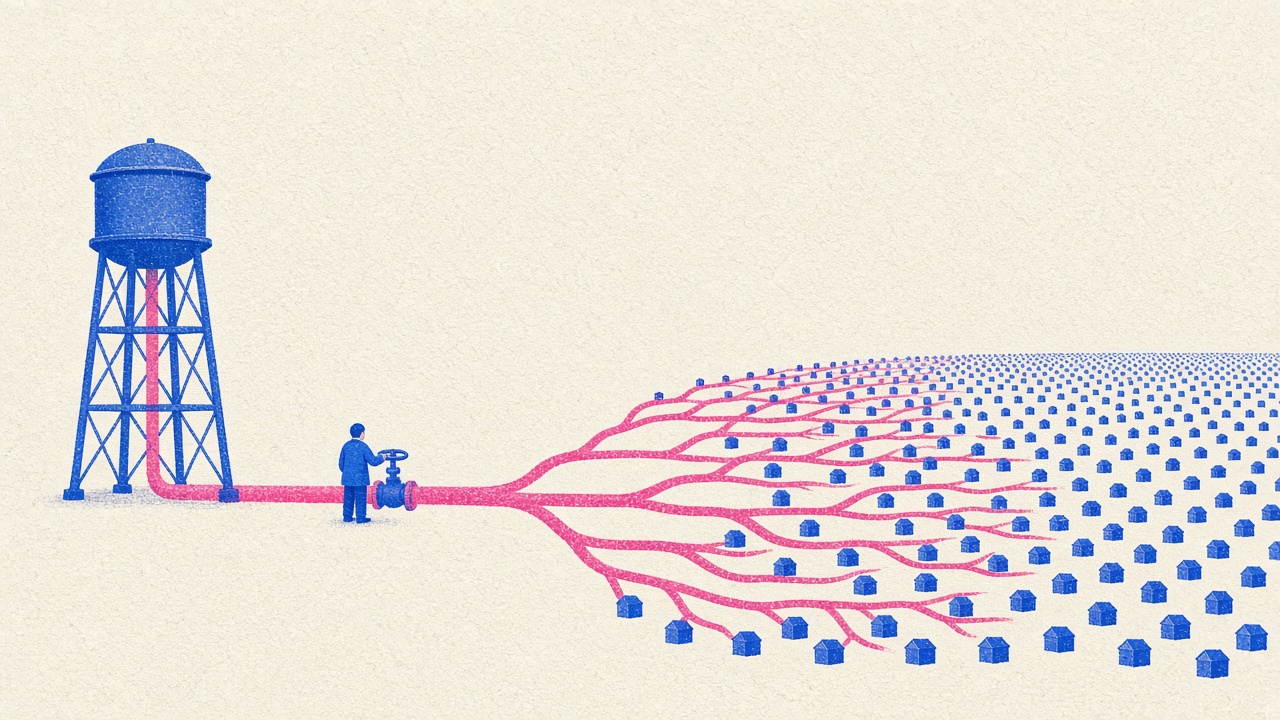
Supermetrics’ November 3 release framed the Claude connector as the jump from analysis to “approved campaign action.” Marketers can pull normalized performance from the stack they already wire into Supermetrics, then create or edit campaigns inside the same Claude conversation. The press names six write targets: Google Ads, Meta, Microsoft Advertising, TikTok, LinkedIn and Snapchat. New campaigns stay paused until someone enables them. Proposed edits can be reviewed. Approval requirements can be set per account. Context Layer carries targets, reporting rules, client-to-account maps, naming conventions and events into the chat so the model is not guessing which accounts belong to which client.
That is the headline. The operator problem is narrower. Pause-by-default is a create-time latch, not the whole fence. Supermetrics’ Hub docs, updated October 30, list a write-access setting labeled No human approval, where changes apply immediately. Context Layer shapes what “good” looks like before anyone clicks approve. Campaign History is the shared record of what chat changed. Four weeks from Black Friday, the job is naming who may enable write, which accounts may skip review, and what History must show before holiday money, not praising that Claude can spend.
This is a docs-based review. I have not connected a trial to Claude, granted write on a live ad account, toggled an approval level, or restored a Campaign History row. Everything below comes from the November 3 PR Newswire release, Supermetrics’ campaign-management and Business Context docs, the still-live July campaign-management blog, Anthropic’s Supermetrics customer page, and independent reads from PPC Land and Unite.AI. Where sources disagree or go silent, I say so.
What it is
Supermetrics for Claude began as a connector that lets Claude query marketing data through Supermetrics’ MCP layer. The November 3 story is the write path: describe a campaign or a change in chat, and Claude can create or edit on connected ad accounts, with Supermetrics between the model and the platforms.
Two controls sit under that path. Campaign write access is granted per ad account on the Supermetrics Hub. You pick the account and when a human must approve: no human approval, before going live (including unpausing), before budget changes on live campaigns plus going live, or before any live change. Business Context (the announcement’s Context Layer) is shared team memory in the MCP server: reporting conventions, analysis exclusions, naming rules, brand language, client-to-account maps, known events, at team, data-source or account level. Owners, admins and editors change it; everyone else inherits it.
Every change should land in Campaign change history. Prior values can be restored for budget, status, name, dates, bidding, targeting, URL tags and ad settings. Removed campaigns cannot be recovered. The October 30 docs warn that you are responsible for AI interactions and the campaign cost they generate.

What changed
Write actions in Claude are not brand new as of November 3. Supermetrics’ July 1 blog already described paused creates and live edits on four platforms. Unite.AI notes a May 14 workflow post covering start, pause and budget changes. PPC Land flags a September 22 guide that said campaign changes were available in supported Claude workflows and not then through ChatGPT. November 3 is the public expansion and adoption dump: six platforms in the press, Context Layer as a named story, more than 6,000 customers since February, and a 250% average month-over-month active-user growth claim.
What shifted for operators is a wider write surface plus approval dials that include skipping a human. The press says the human stays in control. The Hub includes a mode where control means you already decided no one must approve the next change. A review queue and a named no-review policy are different jobs.
Platform count is messy. Prefer the October 30 campaign-management doc over the July blog. The doc lists Google Ads, Facebook Ads, Microsoft Advertising, TikTok Ads, ChatGPT Ads, LinkedIn Ads and Snapchat Marketing: seven write surfaces, including ChatGPT Ads, which the November 3 press omits. The July blog and October 21 Claude product page still say four platforms and, in the blog FAQ, that LinkedIn is analysis-only. Treat those pages as lagging. Treat LinkedIn and Snapchat write as real only when your Hub shows them and your platform role allows edits.
What works
The architecture matches how paid teams already fail: insight in one tool, change in six UIs, client rules in someone’s head. Normalized data, saved business rules and a proposed change in one Claude thread cut tab tax if the data and rules are right.
Paused create is the correct default for net-new campaigns. Nothing spends until someone enables. Supermetrics states that clearly in press and docs.
Per-account approval is the useful part. Agencies do not want the same gate on a sandbox and a client’s always-on prospecting account. The four Hub options, including “all live changes,” map to how risk concentrates.
Business Context is the quiet win. Client maps, attribution rules, naming conventions and known tracking outages are what chat tools invent when you forget to paste them. Saving them once stops the model from optimizing the wrong account under the right client name.
Campaign History with restore for budgets, status, bidding, targeting and ad settings is the audit trail finance will ask for after a bad Tuesday. It will not refund spend already burned. The docs say that. Still better than no Hub row.
Early access free with an existing AI-chat destination, per the October 30 docs, lowers the barrier for a controlled pilot. You are negotiating process, not a mystery write SKU, for now.
What breaks or is undocumented
No-human-approval is real. Unite.AI’s November 3 piece correctly reads the Hub options: a setting applies changes immediately. The July blog’s claim that there is “no setting in which Claude launches a campaign and starts spending on its own” is too absolute. New campaigns still create paused. Live edits, budget moves and unpauses can skip a human if that account is set to no approval. If your policy deck says everything goes through review, audit the Hub before you believe the deck.
Platform parity is incomplete. Snapchat Marketing, per Hub docs, allows ad name and status only, not creatives. Keywords and negatives are Google and Microsoft only. Google, Microsoft, TikTok and LinkedIn replace an edited ad with a new ID; Meta swaps creative on the same ad; ChatGPT Ads edits in place. Life Events on Google Ads are unsupported via API. The matrix is under active development. Do not assume a Meta brief lands cleanly on Snap or LinkedIn.
Press, docs and blog disagree on where write works. Six in the release. Four in the July blog, LinkedIn called read-only. Seven in the October 30 Hub doc, including ChatGPT Ads. Anthropic’s page repeats the press six. Verify write in Hub, then confirm with a paused test create, not a press quote.
Layer is not write proof. The Norwegian agency story is a reporting win: up to 10 hours of spreadsheet work down to about 20 minutes, with a no-hallucination claim after weeks of validation. Useful for trusting numbers in chat. It says nothing about campaigns created, approval rejection rates, or whether approved campaigns beat manual builds. Do not cite Layer as Q4 write safety.
Adoption math is opaque. More than 6,000 customers have used the connector since February; active users grew 250% MoM on average. No starting count, no active definition, no monthly series. PPC Land shows why that percentage is not a current user number. Reporting is still the dominant use case. Read growth as connector interest, not write maturity.
Pricing for planning is foggy. July blog: Claude destination from €39 per month, campaign management included. October 30 docs: early-access write free with existing subscription. Press silent. Seat rules, MCP gating and post-early-access price are sales questions.
Context Layer governance is thin in public. Docs name who can edit Business Context. They do not publish version history, conflict rules when team and account notes disagree, or an approval flow for changing the rules the model will obey. Wrong context is how a clean approval ships the wrong budget.
Security and blast radius. Write-capable MCP connectors change the failure mode from bad chart to bad spend. PPC Land flags tool-poisoning and prompt-injection for agents that read external content then act. The November 3 release does not address either. Assume a bad prompt is possible. Keep no-review accounts rare and named.

Who it’s for
Agencies already on Supermetrics with many client ad accounts that want one Claude thread for “why did this slip” and “draft the fix,” with stricter approval on client money than on sandboxes. In-house paid teams tired of rebuilding the same structure across Google, Meta, Microsoft and TikTok. Ops leads who will own Campaign History the way they own other spend change logs. Marketing ops and security partners who need a written list of who can grant write and which accounts may skip approval.
Weaker fit if you are not on Supermetrics, if holiday work hangs on Snap creative iteration (name and status only here), if LinkedIn or ChatGPT Ads write is critical and Hub does not show them, or if compliance cannot tolerate any no-human-approval account. Also weak as a substitute for platform-native agents when you buy on one network only. The third-party case is breadth plus shared rules.
Pricing and limits
July blog floor: Claude AI chat destination from €39 per month, campaign management described as included. Hub docs (October 30): early access, free with an existing AI chat destination (MCP access separate where required). No write SKU in the November 3 press. Limits from primary sources: early access; write per owned account; paused create; optional no-human-approval; restore does not recover removed campaigns or spent budget; Snapchat creative edits out of scope; platform matrix still moving; user responsible for AI-driven cost. Post-early-access price and plan gating stay sales questions.
What to do this week
Open Campaign write access on the Hub and list every account with write enabled. Record each approval level. Any account on No human approval needs a named owner and a written reason, or move it to at least Budget + going live before peak. Do this before the next media meeting.
Write a one-page Claude write policy. Name who may grant write (role, not a rotating Slack handle). Name which account classes may ever use no-human-approval (example: internal R&D only). Name which classes require all live changes approved (always-on prospecting, brand, retail clients above a spend floor). Pin it next to the Black Friday war-room doc.
Refresh Business Context for every client you might touch in Claude this month: account maps, attribution rules, naming conventions, known tracking gaps, banned brand language. Restrict Context edits to owners, admins and editors. Treat a Context change like a production deploy.
Run a paused proof on one non-critical account per platform you care about. Create something trivial, leave it paused, confirm History logged it. Then one live edit under your strictest approval setting: confirm the approval page and History row match. If LinkedIn, Snapchat or ChatGPT Ads fail to appear, believe Hub, not the press list.
Ask Supermetrics in writing: which platforms write on our tenant; whether ChatGPT Ads write is on our plan; whether no-human-approval survives early access; Claude destination and MCP cost at our seats; History retention. Soft answers mean soft trust.
Stop treating Layer’s 10-hour report as a campaign case study. Reporting speed sold the connector. Write access is why you need a fence. Pause-by-default keeps new campaigns from lighting themselves. It does not decide who may enable write, which accounts skip review, or what Campaign History must show before Black Friday. Name those three this week. Chat can wait.